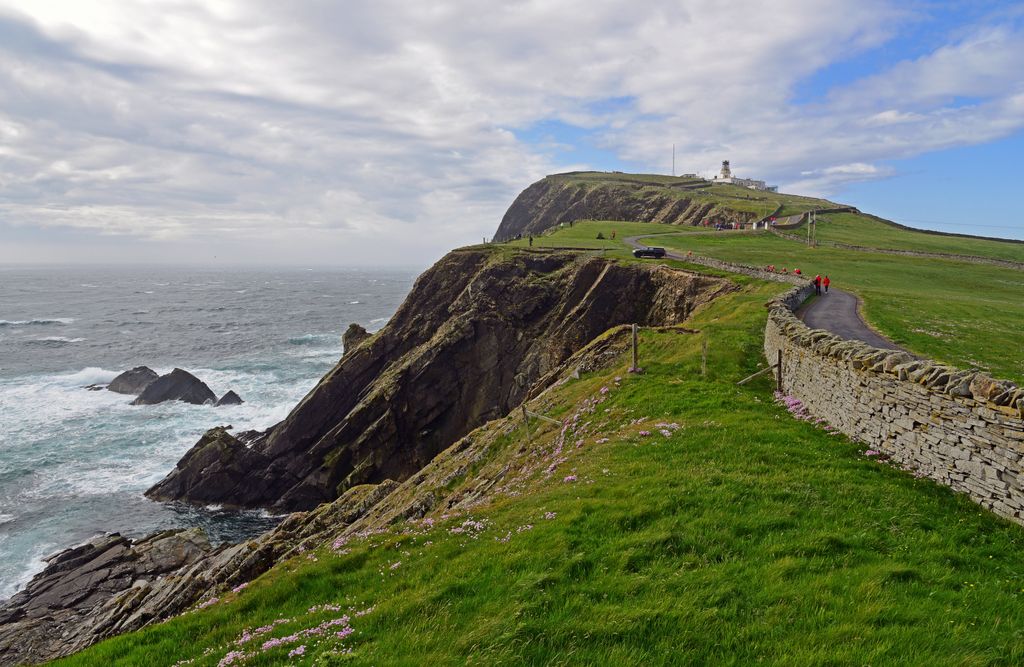
Cliff Path Viewpoint
The primary path follows the cliff edge, offering direct sightlines to the main nesting burrows in the turf. Visitors can observe puffins returning from sea with sandeels.
Stay on the marked path to observe burrows clearly.

Shetland's puffin colonies return each spring for a narrow breeding window, and the cliffs at Sumburgh Head offer some of the most reliable land-based access in the British Isles. This guide covers the seasonal calendar, the locations where viewing is practical, and the arrival windows that align with puffin activity patterns.

Quick answer
Puffins Shetland sightings are concentrated between April and mid-August, when Atlantic puffins occupy breeding burrows on coastal cliffs. Sumburgh Head provides the most accessible viewing point, with the visitor centre and reserve open 10:00–17:00 Thursday through Monday. Puffins are most active during early morning and evening, so arriving between 10:00 and 16:00 allows time to observe feeding flights before the site closes at 17:00.
Atlantic puffins spend eight months at sea, returning to Shetland's cliffs only when the North Atlantic warming cycle triggers the breeding phase in early April. The birds occupy the same burrows year after year, and by mid-April the headlands are fully populated with pairs preparing nests, performing billing displays, and launching short foraging runs to sandeels and sprat beds offshore. Sumburgh Head anchors the southern tip of the Shetland mainland, and its sandstone cliffs hold one of the archipelago's densest puffin colonies. The reserve allows walkers to approach within metres of active burrows, and the raised viewing platforms overlook take-off zones where hundreds of birds queue on ledges before committing to flight. Nesting activity peaks in June when chicks hatch, and feeding flights intensify as adults shuttle fish back to burrows every twenty to thirty minutes. By late July the colony begins to thin as fledglings depart, and by mid-August most birds have returned to open ocean. Viewing puffins in Shetland requires planning around the breeding calendar rather than the tourist season. April and May offer long daylight hours and establishing pairs, but weather on the headlands can be volatile. June and early July balance activity levels with milder conditions, though the site draws its highest visitor numbers during this window. Late July and the first week of August mark the fledging period, when young puffins make their first flights and the spectacle shifts from burrow attendance to departure chaos. The reserve at Sumburgh Head opens Thursday through Monday, with closures on Tuesday and Wednesday throughout the season. Puffin activity follows tidal and light patterns rather than human schedules, so the most productive viewing falls in the first hours after dawn or the two hours before dusk. The visitor centre closes at 17:00, which truncates evening observation during the longest days, but morning visits between 10:00 and midday align well with foraging rhythms when the colony is fully active.
“By mid-April the headlands are fully populated with pairs preparing nests, performing billing displays, and launching short foraging runs to sandeels and sprat beds offshore.”
The Sumburgh Head visitor centre operates on a set weekly schedule, while the surrounding nature reserve viewing areas remain accessible to the public. Please plan your visit according to the following hours for the visitor centre facilities.
Admission costs at Sumburgh Head depend on which facilities you intend to visit. Access to the nature reserve viewing areas remains entirely free of charge.
Verdict: A typical adult pays 0 GBP for outdoor nature reserve access, with costs only applied if choosing to enter the visitor centre.
Sumburgh Head is located at the southern tip of the Shetland Mainland. The most direct approach is via the A970 road, which leads directly to the site.
A970 south to Sumburgh
Service 6 from Viking Bus Station
Private hire from Lerwick
Follow the A970 until you reach the clearly marked turn-off for Sumburgh Head. Arriving between 10:00–16:00 ensures you have access to the site when puffins are active and the visitor centre is open.
Sumburgh Head provides structured access to cliffside habitats where puffins nest in large numbers. These designated zones allow for observation of colony activity while maintaining the required distance for bird welfare.
The primary path follows the cliff edge, offering direct sightlines to the main nesting burrows in the turf. Visitors can observe puffins returning from sea with sandeels.
Stay on the marked path to observe burrows clearly.
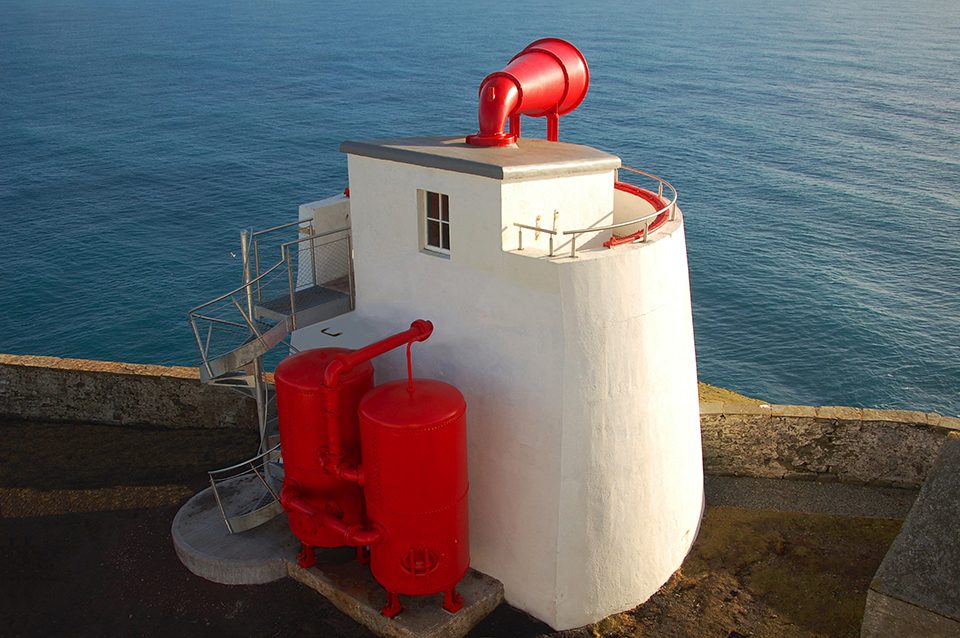
Located near the historic foghorn, this vantage point provides an elevated perspective over the lower nesting slopes. It offers a wide view of the coastline and surrounding puffin activity.
Use binoculars from this platform to scan the cliff face.
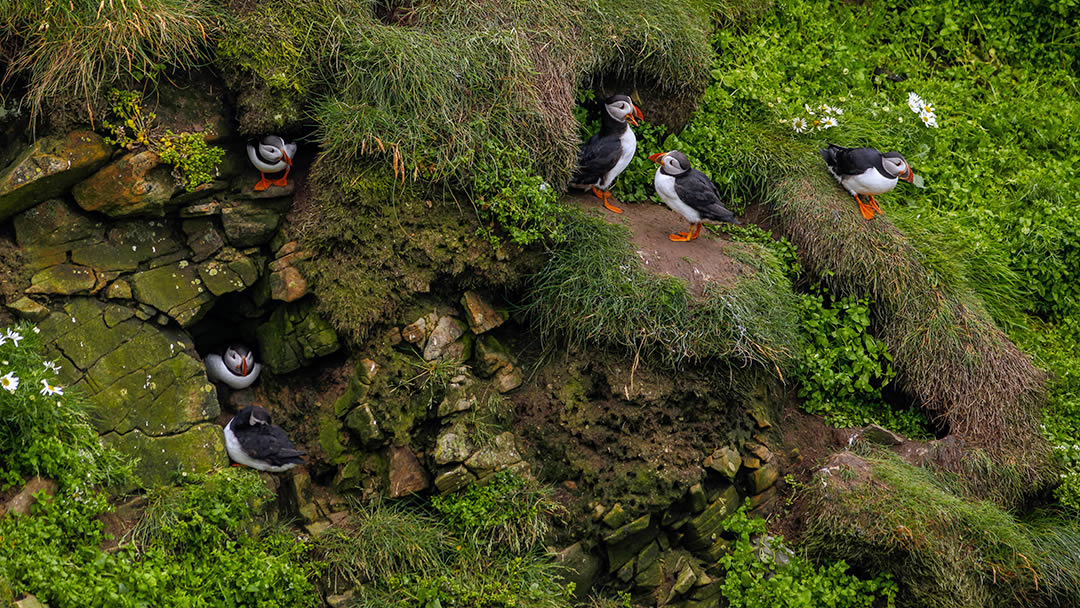
A protected section of the slope where puffins frequently land and congregate outside their burrows. This area is optimal for observing ground-level behavior and interactions.
Sit quietly on the grass to encourage closer approaches.

The area surrounding the lighthouse buildings allows for panoramic views of the entire seabird colony. This serves as a starting point to orient yourself before descending toward the active burrows.
Walk the full perimeter to spot puffins in flight.
Puffins nest in cliff-top burrows from April to August and are sensitive to disturbance. Following conduct rules protects breeding success and ensures sustainable wildlife watching.
Everything you need to know about puffins shetland sightings
Puffins are most active in the early morning or evening during the summer months. Plan your visit between 10:00 and 16:00 to maximize your chances of seeing these seabirds while the visitor centre is accessible. Watching these birds is a highlight of Shetland wildlife tourism, though activity levels depend on the breeding season.
There is 0 GBP entrance fee to access the nature reserve viewing areas. Charges only apply if you wish to enter the visitor centre facilities located on-site. This makes the cliffs an accessible option for those interested in local wildlife observation.
The reserve is open Monday, Thursday, Friday, Saturday, and Sunday from 10:00 to 17:00. It is closed on Tuesdays and Wednesdays, so please plan your trip accordingly to avoid disappointment. You can find more logistical details on the official site.
Yes, the cliffs at Sumburgh Head are a primary location for seabird colonies and provide excellent vantage points. You can observe the birds from the cliff paths while maintaining a safe distance to protect the nesting grounds. This site remains one of the most reliable spots for viewing arctic puffins in the region.
Always keep a respectful distance from burrows and avoid loud noises that might disturb the birds. Staying on marked paths helps preserve the fragile cliff-top habitat and ensures the safety of the colony. Following these guidelines ensures that future visitors can continue to enjoy wildlife watching in the area.
Yes, the site offers accessible paths that allow families to enjoy the coastal scenery and seabird colonies. Parents should ensure children remain on designated paths and keep a close watch near cliff edges. The visitor centre provides educational resources that help younger guests learn about the local ecosystem.